

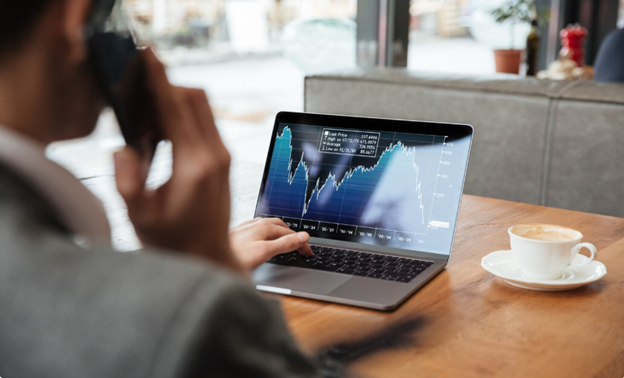
Getting into trading starts easy, then it just kind of piles on quickly. Charts change, news pops up randomly, and relying only on gut feelings usually backfires. People copy trends, follow signals, sometimes it works, often not. Tiny adjustments, jotting down notes, or even just glancing at positions slowly make trading more steady. Watching patterns carefully prevents rushing in too fast. Beginners often miss moves and get frustrated. Habits and small daily attention quietly build discipline. Patience, repeated observation, and tiny tweaks actually improve results naturally.
Picking the Right Online Brokerage
Not all online brokerage services are equal. Some are flashy, packed with features, but confusing. Others are simpler, feel clear. Fees, execution speed, and deposit methods matter. Trying a few accounts with minimal funds helps understand the platform. Reputation, support, and reliability make a difference too. People stick to what matches their style eventually. Correct choices reduce stress and early mistakes. Testing practically beats just reading reviews online. Over time, experience shows which brokerage fits goals best.
Watching Market Trends Closely
An online trading platform works best if you track trends regularly. Daily price movements, sudden swings, and sector shifts can reveal opportunities. Traders shift positions when trends are strong or weak. Watching consistently helps avoid reacting to tiny fluctuations. Patience often beats chasing every small move. Observing patterns while taking quick notes builds timing skills. Combining habits and tools reduces stress naturally. Over weeks, repeated monitoring makes decision-making more confident, even for beginners.
Planning Trades and Risk
A solid online brokerage has tools to plan risk ahead. Stop-losses, take-profits, and position sizes get set before committing real funds. Risk evaluation prevents big unexpected losses. Testing outcomes and adjusting positions gradually increases comfort. Small, deliberate planning gives confidence without overcomplicating strategies. Beginners often learn that risk control beats chasing big profits. Adapting plans as conditions shift keeps strategies relevant. Careful preparation reduces emotional decisions during swings naturally.
Using Tools to Experiment
Many traders rely on features in an online trading platform to test strategies safely. Comparing possible outcomes first stops impulsive moves. Charts, indicators, and calculators guide decisions subtly. Trying multiple scenarios with small amounts builds experience. Tools never replace judgment but support smarter moves. Regular use over time improves understanding and intuition. Repeating tests gradually helps traders make better decisions without stress.
Reviewing and Adjusting Often
Trades on a retrospective basis, weekly or monthly, help in declaring errors or surprises. Performance checking, making adjustments, gradually enhances performance. Habits are solid because of the combined method of observation, planning, and reflection. Small improvements tend to be more effective than large-scale strategy changes. Practice will know when to have faith in tools and when to be intuitively inclined.
Conclusion
Well, trading involves patience, planning and constant observation. Traders approach resources using tradewill.com as they slowly perfect the techniques. It is a natural process of checking trends, testing results and changing positions to enhance decision-making. Thoughtful risk planning, analysis of previous trades, and effective and strategic use of tools can minimise impulsive behaviour. Regularities slowly develop confidence in trading in the long run. Go small, dwell on routines and think about being attentive in planning to make smarter steps today. Structured approaches help improve results steadily and keep trading manageable.
